
Relapse isn’t the end. But for parents watching a 20-year-old child spiral again, it can feel like freefall, especially after investing time, money, and every ounce of love into treatment. If you’re here, you’re likely searching for something that works this time. For many families, a partial hospitalization program is that critical turning point. Here’s how it helps.
Relapse Doesn’t Mean Failure, It Means a New Plan Is Needed
Watching your child return to substances after treatment can trigger panic and guilt. But relapse doesn’t mean nothing worked. It means their needs outpaced the support system they had. PHP meets them where they are now with more structure, more hours, and more professional eyes on their healing.
What Makes a Partial Hospitalization Program Different?
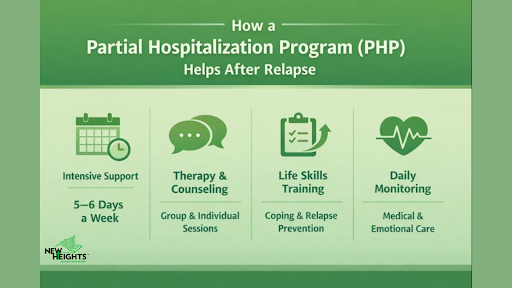
Unlike standard outpatient care, PHP offers a level of intensity that often mirrors inpatient treatment but with the flexibility of returning home or to a sober living environment each night. Most PHPs run 5–6 days a week, up to 6 hours a day, creating consistent touchpoints and minimizing risk between sessions.
When Outpatient Isn’t Enough, PHP Steps In
Relapse after outpatient treatment isn’t uncommon. Many young adults need more than just a weekly session to stay anchored. PHP builds stability through:
- Daily group therapy
- Individual counseling
- Medication management
- Skill-building and relapse prevention planning
This level of care helps stabilize someone who’s spiraling but doesn’t need detox or full hospitalization.
Your Love Is Not the Problem—It’s the Foundation
We need to say this clearly: You did not fail them. Relapse is not a reflection of your parenting. In fact, your continued hope, presence, and search for answers is part of what will help them recover. PHP gives both of you the space to breathe, professionals handle the day-to-day recovery work so you can be the parent, not the crisis manager.
Signs Your Child May Be Ready for PHP
You may want to consider a partial hospitalization program if your 18–25-year-old is:
- Using again after a recent stay in treatment
- Skipping outpatient sessions or lying about sobriety
- Showing signs of depression, anxiety, or emotional dysregulation
- Feeling hopeless about their ability to “get it together”
- Still living at home and struggling with structure
If any of that hits home, help is available.
Success Looks Different Here—and That’s a Good Thing
We’ve seen young adults who couldn’t stay sober for 3 days suddenly thrive in PHP. Why? Because they’re not just asked to stay clean they’re taught how to live again. They relearn how to regulate emotions, navigate family tension, manage stress, and build futures they want to stay alive for. In many cases, this process also helps families recognize how alcohol addiction can develop gradually before it becomes a crisis.
“PHP gave my daughter structure without punishment. It gave us both a break from the chaos—and that changed everything.”
— Parent, 2023
If you’re navigating relapse, it’s not too late. In fact, this might be the moment everything shifts. At New Heights Recovery Center, we offer partial hospitalization program services in Ohio that meet young adults where they are, and help them move forward.
📞 Call 866-514-6807 or visit our Partial Hospitalization Program page to learn more.