Ask five people what “sober” means and you’ll get five different answers. For some it’s a technical fact: zero alcohol or drugs in the system right now. For others it’s a whole way of living. Both are true, and the gap between them is where a lot of confusion, and a lot of relapse, actually happens.
The Basic Definition
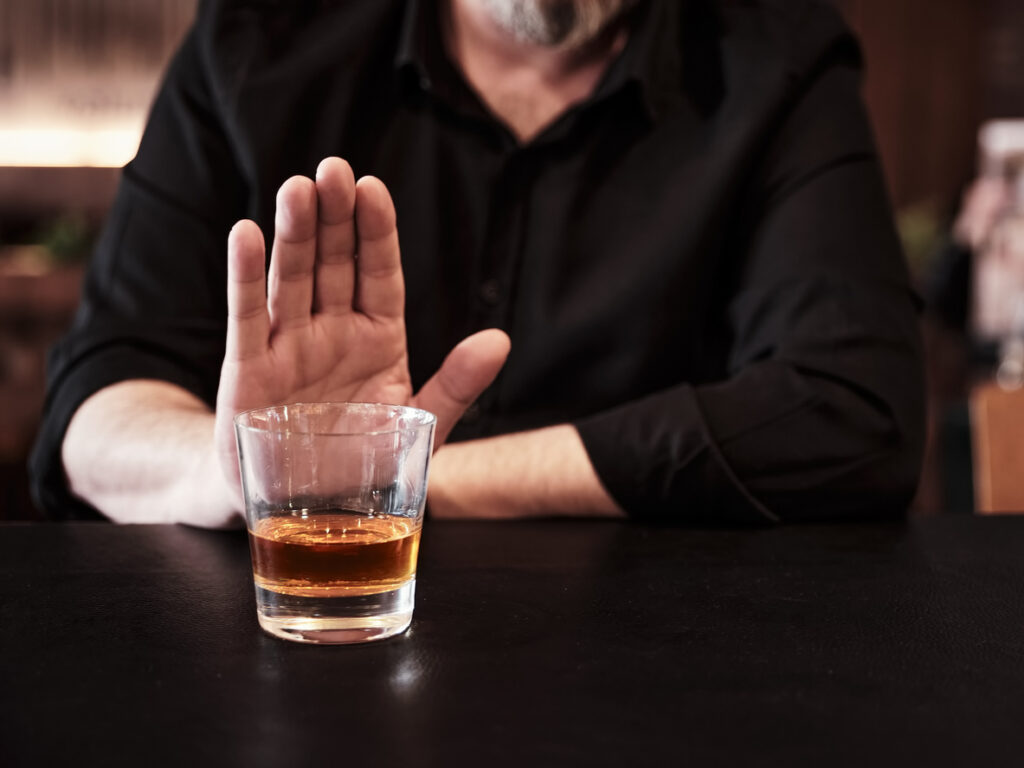
At its simplest, sober means not currently under the influence of alcohol or drugs. That’s the dictionary version, and it’s accurate as far as it goes. Someone can technically be sober for one night and still be deep in active addiction. The word by itself doesn’t say anything about whether a person is in recovery or just between uses.
Sobriety Is More Than Not Using
Recovery adds the part the dictionary leaves out. Sobriety, in the recovery sense, means building a life where using isn’t the plan anymore, and that takes more than willpower on a given night. It means learning what actually triggers cravings, developing ways to sit with discomfort instead of numbing it, and rebuilding trust with people who’ve been let down before. None of that happens automatically just because someone stopped drinking on a Tuesday.
Emotional sobriety is the piece people miss most often. It’s possible to be completely abstinent and still be dishonest, still be avoiding feelings, still be white-knuckling through each day on sheer stubbornness. That’s not stable. It’s exhausting, and it tends to crack eventually. Real emotional sobriety means processing what’s actually going on instead of just removing the substance that was covering it up.
What “Sober Curious” Means
The term “sober curious” has grown alongside a broader interest in drinking less without necessarily identifying as someone in recovery. It describes people questioning their relationship with alcohol, experimenting with cutting back or stopping for a while, without the framework of addiction treatment. It’s a different starting point than recovery from substance use disorder, though the two conversations sometimes overlap, especially when someone sober curious realizes their relationship with alcohol runs deeper than they assumed.
What Sobriety Looks Like Day to Day
- Rebuilding a daily routine that doesn’t revolve around using
- Learning new coping tools for stress, boredom, and conflict
- Being honest in relationships instead of managing what people know
- Paying attention to physical health that substance use had pushed aside
- Sitting with hard emotions instead of automatically reaching for something to blunt them
Why Some People Need Structured Support
Plenty of people get sober on their own for a stretch and then find the cravings, the triggers, or the underlying anxiety or depression pull them back. That’s not a personal failure. It’s usually a sign that the substance use was doing a job, managing something underneath, and stopping the substance without addressing what it was managing rarely holds. Structured programs like an intensive outpatient program build in therapy, accountability, and relapse prevention planning specifically because the first weeks and months of sobriety are the hardest to navigate alone.
Is Being Sober the Same as Being in Recovery?
Not exactly. Sober describes a current state. Recovery describes an ongoing process, the work of staying sober and building a life that supports it. Someone can be sober without being in active recovery, and the difference usually shows up in how sustainable it turns out to be.
Can You Be Sober and Still Struggle?
Yes, and it’s more common than people expect. Early sobriety often comes with irritability, insomnia, cravings, and a strange sense of grief for something that was, despite everything, familiar. This is normal and it’s part of why ongoing support matters in the first months.
What’s the Difference Between Sober and Clean?
The two terms are largely interchangeable, though “clean” is used more often in the context of drug use specifically and “sober” gets used for both drugs and alcohol. Neither term is universally preferred within the recovery community, and either is fine to use.
If you’re sober right now and it feels harder than it should, or you’re not sure how to make it last, New Heights Recovery Center’s sober living program in Columbus, Ohio is built for exactly that stage. Call (614) 858-8826 to talk about what support could look like.