Home » Addiction Programs » Sober Living
Get the Support You Need to Move Forward
Sober living in Columbus, Ohio, gives people in recovery a structured, substance-free place to continue building stability during or after a treatment program. At New Heights Recovery, sober living supports accountability, peer connection, daily routine, and continued participation in outpatient care when appropriate.
For many people, sober living is the bridge between intensive addiction treatment and fully independent living. It provides the support needed to practice recovery skills in real life while staying connected to treatment, meetings, employment, family responsibilities, and the Columbus recovery community.
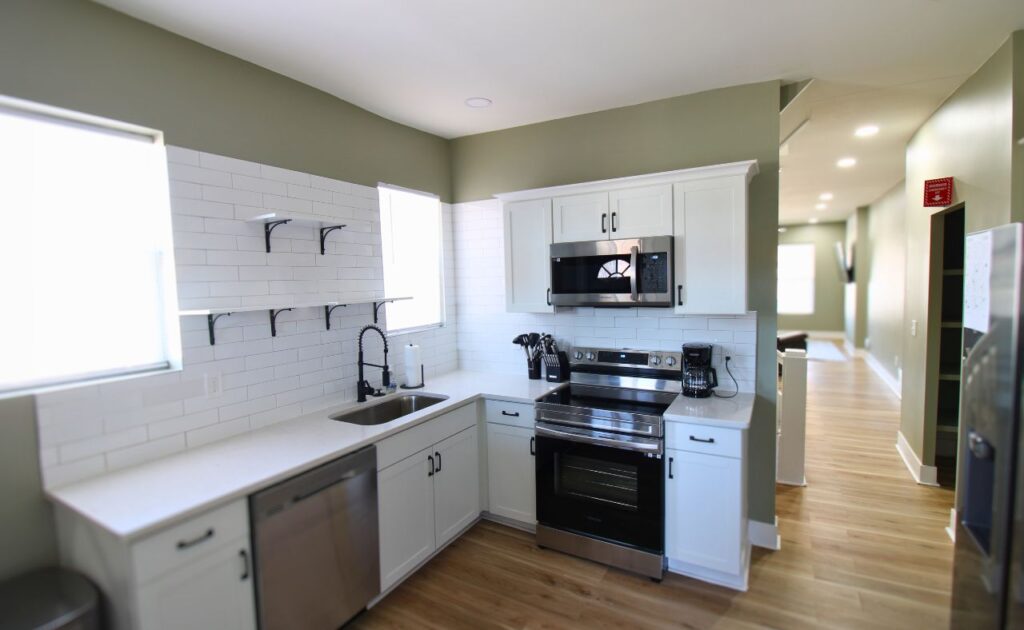
A sober living program is a structured living environment designed for individuals recovering from substance use disorders. It serves as a transitional step between inpatient treatment and fully independent living.
Unlike inpatient rehab, sober living allows residents to work, attend school, or participate in outpatient treatment while living in a supportive, substance-free home.
Sober living is different from a halfway house in that it often provides a more flexible, recovery-focused environment with an emphasis on personal responsibility, peer support, and long-term stability.
In Ohio, sober living plays a critical role in recovery by giving individuals the time and structure needed to rebuild routines, strengthen coping skills, and stay accountable in early sobriety.
Sober living homes and halfway houses are sometimes confused, but they are not always the same. A halfway house may be court-ordered or tied to a specific legal or institutional requirement. Sober living is typically more recovery-focused and is designed for people who voluntarily want structure, accountability, and peer support while rebuilding their lives.
At New Heights Recovery, sober living is focused on helping residents maintain sobriety, participate in recovery-supportive routines, and continue building independence in a safe environment.
Sober living programs in Columbus, Ohio, are designed to provide structure, accountability, and support during early recovery. At New Heights Recovery, the process is straightforward and focused on helping each resident build a stable foundation for long-term sobriety.
Here’s what you can expect:
Initial Assessment: Our team evaluates your needs and determines if sober living is the right fit alongside your treatment plan.
Move-In and Orientation: Residents are placed in a structured, substance-free home and introduced to house expectations and routines.
Daily Structure: Each day includes responsibilities such as attending treatment (PHP or IOP), participating in recovery meetings, and maintaining household responsibilities.
Ongoing Support: Residents benefit from peer accountability, staff oversight, and access to clinical care when needed.
Transition Planning: As stability increases, we help residents prepare for independent living with continued support.
This step-by-step approach helps reduce the risk of relapse while promoting confidence and independence.
Not sure if sober living is the right next step?
Our team can help you explore your options and find the level of care that fits your needs.
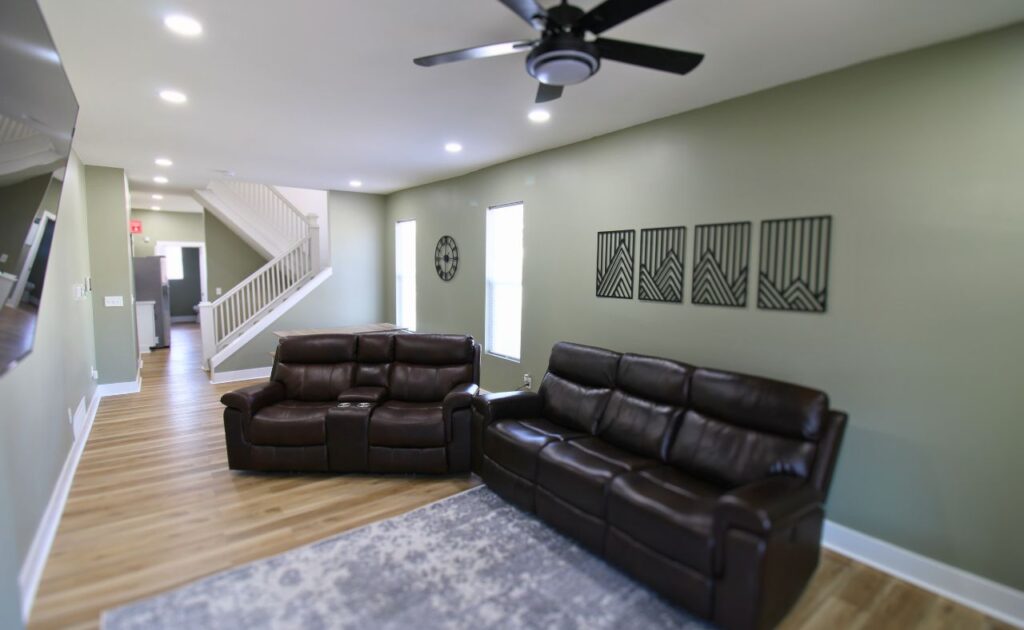
Sober living can be a strong next step for people who are committed to recovery but need more structure than living alone or returning to an unstable home environment. It can also support people who are participating in outpatient treatment and want a sober, accountable place to live while continuing care.
You may benefit from sober living if you:
Sober living provides the stability needed to reinforce recovery habits while gradually transitioning back into everyday life.
Daily life in sober living is designed to balance structure with independence. Residents are expected to maintain sobriety, follow house expectations, participate in household responsibilities, and stay engaged in recovery-focused activities.
A typical week may include outpatient treatment, recovery meetings, work or job searching, household chores, peer accountability, and time spent rebuilding healthy routines. This structure helps residents practice the habits that support long-term recovery while still having room to take responsibility for their own daily lives.
Columbus has a strong and active recovery community, which can make it a meaningful place to continue building sobriety. Local sober living gives residents access to outpatient addiction and mental health treatment, recovery meetings, employment opportunities, public transportation, community resources, and peer support.
For people who live in Central Ohio or want to continue treatment near Columbus, sober living can provide the stability needed to stay connected while gradually rebuilding independence.
Structure and accountability are key components of successful sober living. At New Heights Recovery, residents are expected to follow clear guidelines that support a safe and recovery-focused environment.
These expectations may include:
These guidelines are designed to create consistency, build responsibility, and support long-term recovery.
The cost of sober living in Columbus, Ohio, can vary based on the home, level of structure, services provided, and length of stay. Sober living housing itself is often paid out of pocket, but outpatient treatment services may be covered by insurance depending on the person’s plan and clinical needs.
Costs may include monthly housing fees, program fees, food, transportation, and personal expenses. New Heights Recovery can help clients and families understand available options and verify insurance benefits for treatment services when applicable.
Choosing the right sober living environment matters. At New Heights Recovery, sober living is built around structure, accountability, peer support, and connection to continued care.
What sets us apart:
Our goal is to provide more than just housing—we provide a foundation for lasting change.
The admission process at New Heights is designed to be supportive and straightforward. It begins with an initial consultation to assess your addiction treatment needs and create a personalized care plan. Our team will also assist with coordinating insurance coverage and guiding you through the paperwork.
Sober living in Columbus, Ohio provides a structured, substance-free living environment for people recovering from substance use disorders. It helps residents maintain accountability, build healthy routines, and stay connected to treatment or recovery support while transitioning toward independent living.
No. Sober living is a supportive living environment, not a clinical treatment program. However, sober living often works alongside outpatient treatment, including a partial hospitalization program (PHP) or an intensive outpatient program (IOP), when someone needs both housing structure and continued clinical support.
Yes. Many people participate in PHP or IOP while living in sober living. Combining treatment with a structured, recovery-focused home environment can help reinforce healthy habits, accountability, and long-term recovery skills.
The length of stay varies based on each person’s needs, progress, and recovery goals. Some people stay for a few months, while others benefit from a longer period of structure before transitioning to fully independent living. There is no one-size-fits-all timeline.
Although the terms are sometimes used interchangeably, they are not always the same. A halfway house may be connected to legal, institutional, or court-related requirements. Sober living is generally more recovery-focused and is designed for people who voluntarily want structure, accountability, and peer support while maintaining sobriety.
Sober living housing itself is often not covered by insurance. However, outpatient treatment services that are part of a person’s recovery plan may be covered, depending on their insurance plan and clinical needs. New Heights Recovery can help verify insurance benefits for eligible treatment services.
Sober living may be a good fit for people with co-occurring mental health conditions, especially when paired with appropriate outpatient treatment and ongoing clinical support. New Heights Recovery can help determine whether sober living, PHP, IOP, or another level of care is the best fit for your needs.
Getting started with sober living in Columbus, Ohio, at New Heights Recovery is a straightforward and supportive process. Our team is here to help you understand your options and take the next step with confidence.
Here’s what the process typically looks like:
Initial Call or Inquiry: Reach out to our team to discuss your situation, recovery goals, and current level of care.
Assessment and Recommendations: We’ll help determine whether sober living is the right fit and how it can support your recovery plan.
Insurance Verification (if applicable): While housing itself may not be covered, we can help verify benefits for any associated treatment services.
Placement and Move-In: Once approved, we coordinate your placement and walk you through expectations so you feel prepared and supported.
If you’re ready to take the next step, our admissions team is available to guide you through the process and answer any questions along the way.
Whether you are ready for sober living in Columbus, Ohio, or still trying to understand your next step, New Heights Recovery can help. Our admissions team can talk with you about sober living, outpatient treatment, insurance verification, and the level of support that may fit your recovery needs.
Call our team or verify your insurance today to take the next step
Our team can help you determine if your addiction treatment at New Heights Recovery could be at little to no-cost to you. Complete the form below and we will complete your insurance verification and get back with you shortly.
Give us a call or complete our convenient online form to get in touch with one of our treatment specialists.